


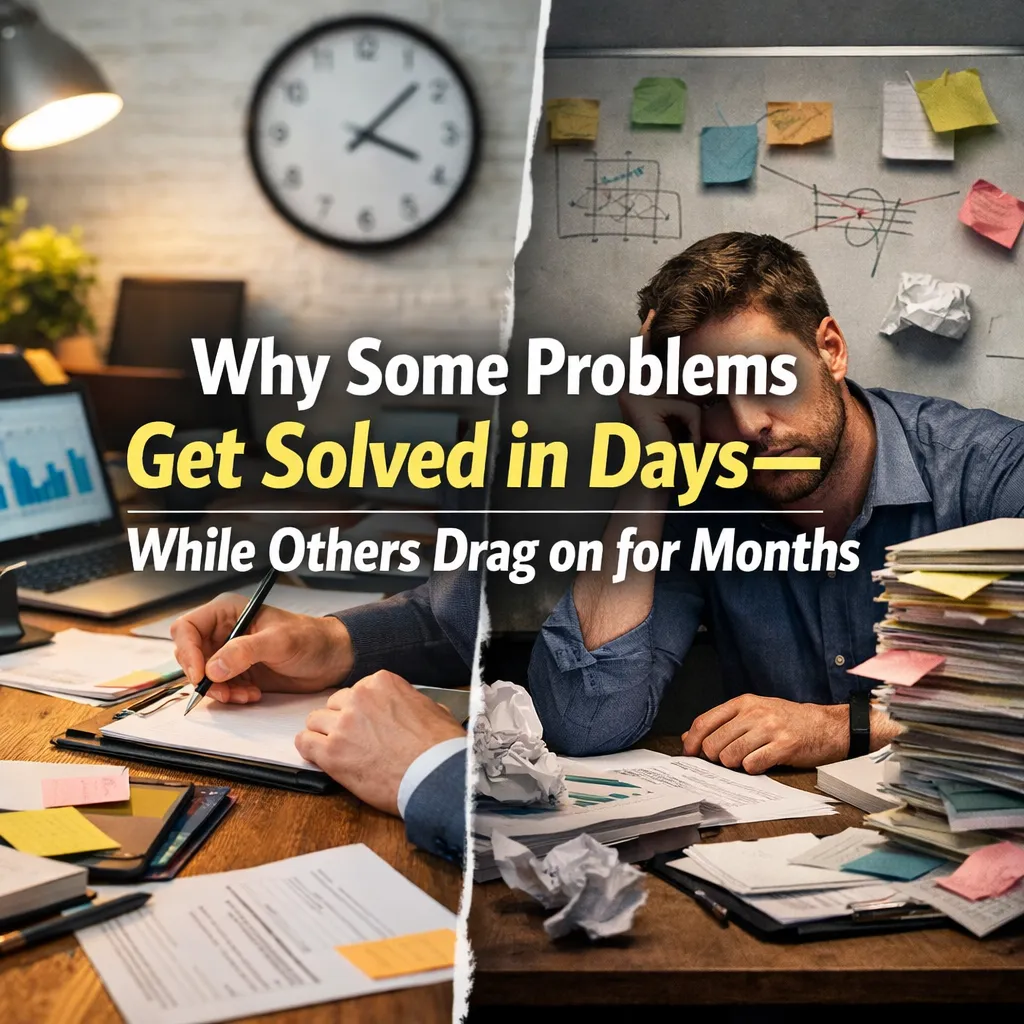
Why Some Problems Get Solved in Days—While Others Drag on for Months
Many organizations know what needs to improve, yet struggle to make progress. Issues are discussed repeatedly, action plans are created, but results remain slow. The problem is not awareness. It’s the lack of focused execution.
This is whereRapid Kaizen Eventsdeliver real impact.
What Is a Rapid Kaizen Event?
A Rapid Kaizen Event is a short, focused improvement workshop—typically lasting 2 to 5 days—designed to solve aspecific, well-defined problem.
Unlike long improvement programs, Rapid Kaizen events:
Focus on one issue at a time
Bring the right people together
Analyze root causes quickly
Test solutions immediately
Deliver visible results fast
The goal is action, not analysis paralysis.
Why Traditional Improvement Often Moves Too Slowly
Improvement initiatives stall when:
Problems are too broadly defined
Ownership is unclear
Teams work in silos
Decisions take too long
Improvements stay theoretical
Action is delayed by approvals
Rapid Kaizen removes these barriers by creating urgency, focus, and alignment.
How Rapid Kaizen Events Work
A well-run Rapid Kaizen Event follows a disciplined structure:
1. Problem Definition
The team clearly defines the issue, scope, and expected outcomes. No vague goals—only measurable targets.
2. Root Cause Analysis
Using Lean tools, the team identifies what is truly causing the problem—not just the symptoms.
3. Solution Design
Practical solutions are designed collaboratively, with input from those closest to the work.
4. Implementation
Changes are tested and implemented immediately—often during the event itself.
5. Results Review
Performance is measured, lessons are captured, and next steps are defined.
Speed comes from clarity and commitment.
Why Rapid Kaizen Delivers Fast Results
Rapid Kaizen works because it:
Eliminates distractions
Brings decision-makers into the room
Empowers frontline teams
Encourages experimentation
Focuses on “good enough” solutions
Converts ideas into action immediately
Instead of waiting for perfect plans, teams learn by doing.
The Role of Leadership in Rapid Kaizen
Leadership support is critical. Effective leaders:
Define clear objectives
Remove barriers quickly
Encourage open problem-solving
Avoid blame and politics
Support fast decision-making
Reinforce follow-through after the event
When leaders show commitment, teams move faster and with confidence.
The Business Impact of Rapid Kaizen Events
Organizations that use Rapid Kaizen effectively achieve:
Faster problem resolution
Reduced cycle time and waste
Improved quality and consistency
Higher employee engagement
Stronger collaboration across functions
Tangible results in days—not months
Rapid Kaizen builds momentum and confidence in continuous improvement.
Rapid Kaizen Is Not a One-Time Activity
While each event is short, its impact is long-term when:
Improvements are standardized
Metrics are tracked
Teams are coached to sustain gains
Lessons are applied to future events
A culture of action is reinforced
Rapid Kaizen is most powerful when it becomes part of the operating rhythm.
The Question Leaders Should Ask
Before launching another long improvement project, ask:Do we need more analysis—or more focused action?
Because some problems don’t need months of discussion. They needclarity, commitment, and a few days of disciplined execution.
That is the power of Rapid Kaizen Events—turning problems into progress, fast.